


Blog

  • What Is Emotional Connection in a Relationship? How to Build It

    What Is Emotional Connection in a Relationship? How to Build It

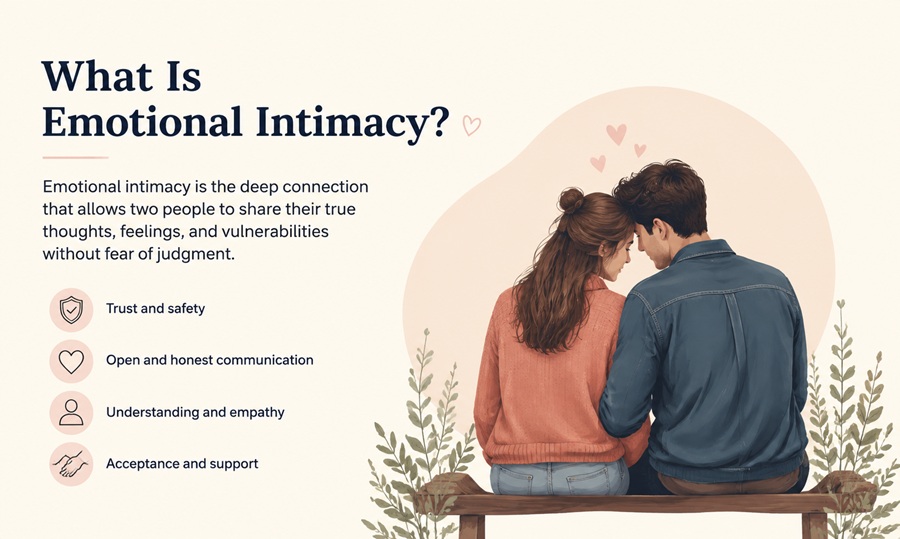
    Emotional connection is the sense of feeling safe, understood, and genuinely valued by another person. It’s built through consistent, honest communication rather than grand gestures or shared excitement alone. Two people can have strong physical attraction and still lack this deeper bond, which is often why some relationships feel hollow despite looking fine on the outside. This guide covers what emotional connection actually looks like, why it fades, and specific ways to rebuild or deepen it.

    What Emotional Connection Actually Means

    Emotional connection is the feeling of being truly known by your partner, not just liked or wanted. It shows up as a sense of ease, like you can say what you’re actually thinking without managing their reaction first.

    It’s different from compatibility, which is about shared interests or values, and different from chemistry, which is more about attraction. You can have plenty of both and still feel emotionally distant if the relationship lacks real openness.

    Signs You Have (or Lack) Emotional Connection

    Some signs point to a strong connection:

    • You can sit in silence together without it feeling tense
    • You share worries or fears without expecting judgment
    • Disagreements feel like problem-solving, not attacks
    • You feel noticed on ordinary days, not just special occasions

    A lack of connection often looks like conversations that stay surface-level, feeling lonely even when you’re together, or noticing that you edit yourself before speaking to avoid conflict.

    Why Emotional Connection Fades Over Time

    Connection rarely disappears overnight. It usually fades through small, repeated patterns: busy schedules that crowd out real conversation, resolving conflict by avoiding it instead of working through it, or simply forgetting to ask how the other person is actually doing.

    Stress from work, parenting, or health issues can also pull attention away from the relationship for long stretches. None of this means the relationship is broken. It usually just means connection has been deprioritized, often without either partner noticing right away.

    How to Build Emotional Connection: Practical Steps

    Rebuilding connection doesn’t require big romantic gestures. It tends to grow through small, repeated actions:

    • Ask open-ended questions instead of yes-or-no ones during daily check-ins
    • Put phones away during meals or conversations, even for just 20 minutes
    • Share something you’re anxious or excited about, not just logistics
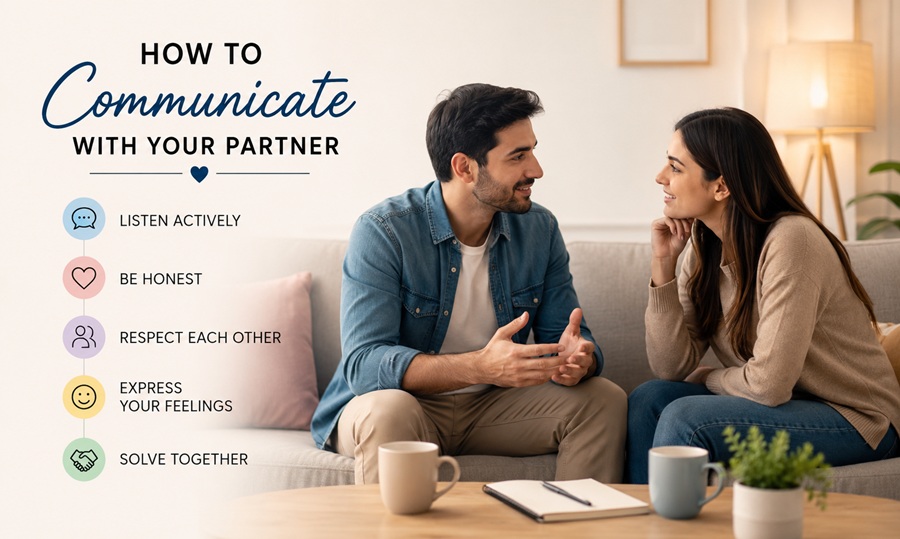
    • Reflect back what your partner says before responding, so they feel heard
    • Schedule regular time together that isn’t just running errands

    Consistency matters more than intensity here. A five-minute honest check-in every day builds more connection over time than one long emotional conversation every few months.

    How Do You Talk About Feelings Without It Turning Into an Argument?

    Start with how you feel rather than what your partner did wrong. Saying “I’ve been feeling distant lately” opens a conversation, while “you never talk to me” tends to trigger defensiveness. Keeping the focus on your own experience makes it easier for your partner to listen without feeling attacked.

    The Role of Vulnerability and Trust

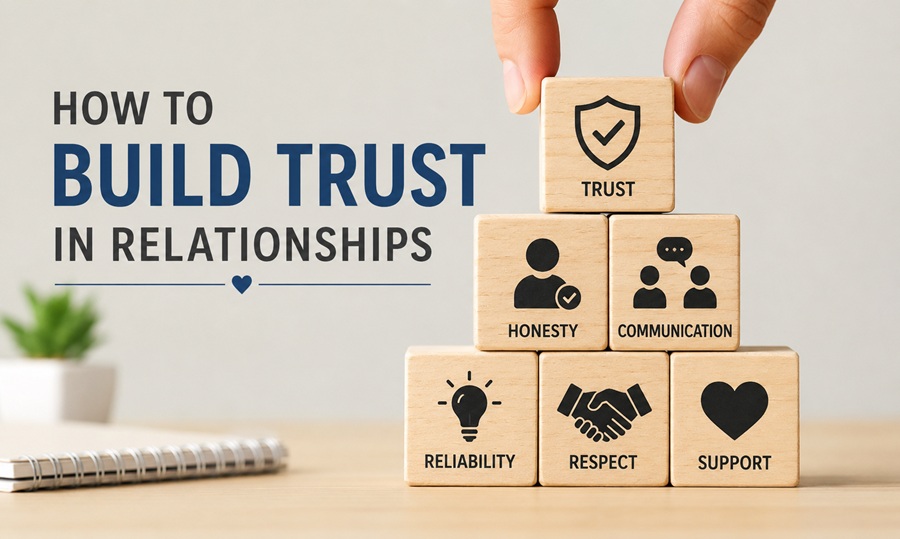
    Vulnerability is the willingness to share something before you know how it will be received, a fear, an insecurity, or a need. It’s uncomfortable, but it’s also the mechanism that builds trust. Every time vulnerability is met with care instead of dismissal, the relationship gets a little safer.

    Trust and connection build together. You can’t force vulnerability, but you can create conditions where it feels safer, by responding gently when your partner opens up, even about small things.

    Emotional Connection vs. Physical Attraction

    Physical attraction can exist independently of emotional connection, especially early in a relationship. Over time, though, most couples find that physical intimacy is strongly influenced by how emotionally connected they feel. Feeling distant emotionally often shows up as reduced physical closeness, even when attraction itself hasn’t changed.

    Neither one replaces the other. A relationship with strong physical chemistry but weak emotional connection tends to feel unstable over the long run, while emotional connection without any attraction usually points to a friendship rather than a romantic partnership.

    When to Seek Outside Help

    If conversations about connection keep breaking down into conflict, or if one or both partners feel stuck despite genuine effort, a couples therapist can help. Therapy isn’t just for relationships in crisis. Many couples use it proactively to build better communication habits before small gaps turn into bigger ones.

    Small Daily Habits That Build Long-Term Connection

    Big conversations matter, but daily habits do more of the actual work over time. A short debrief at the end of the day, even five minutes, keeps both partners updated on each other’s inner world instead of just logistics like schedules and errands.

    • Say one specific thing you appreciated about your partner that day
    • Make eye contact during conversations instead of multitasking
    • Ask about your partner’s stress level, not just their schedule
    • Physically check in with a hug or hand on the shoulder, separate from anything else

    These habits feel small individually, but repeated daily, they build the kind of steady closeness that grand gestures alone can’t replace.

    How Life Stages Affect Emotional Connection

    Emotional connection naturally shifts through different life stages. New parents often struggle to find time for each other while adjusting to a baby’s needs. Couples managing a health crisis or a demanding job change may feel connection dip simply because energy is limited.

    Recognizing that these dips are tied to circumstances, not a sign the relationship itself is failing, can prevent unnecessary panic. The goal during these stretches isn’t perfect connection. It’s staying aware enough to reconnect once the pressure eases.

    Rebuilding Connection After Conflict

    Conflict itself doesn’t damage emotional connection nearly as much as how it’s handled afterward. Couples who repair well, by acknowledging what went wrong and checking in once emotions settle, often end up closer than before the disagreement. Skipping repair and moving on in silence is what usually erodes connection over repeated conflicts.

    It also helps to separate the issue from the person. Disagreeing about a decision, like finances or schedules, doesn’t have to threaten how connected you feel, as long as both partners stay focused on solving the problem rather than assigning blame.

    A short, direct check-in after a disagreement, something like asking if the other person is doing okay once things have cooled down, does more to rebuild trust than a lengthy post-mortem of who was right.

    Frequently Asked Questions

    Can emotional connection be rebuilt after it fades?

    Yes, in most cases. It typically takes consistent effort from both partners over weeks or months, rather than a single conversation, but connection that has faded can usually be rebuilt with attention and patience.

    Is it normal for emotional connection to change over time?

    Yes. Long-term relationships naturally move through phases of closeness and distance, often tied to life circumstances like new jobs, parenting, or health challenges. Noticing the shift is more useful than expecting connection to stay constant.

    What’s the difference between emotional connection and codependency?

    Emotional connection allows both people to maintain their own identity and interests while feeling close. Codependency involves losing that sense of self, where one or both partners rely on the relationship for their entire sense of worth or stability.

  • What Is Intentional Dating? A Practical Guide to Dating With Purpose

    What Is Intentional Dating? A Practical Guide to Dating With Purpose

    What Does Intentional Dating Mean?

    Intentional dating means dating with a clear sense of what you want and communicating it honestly, instead of just going with the flow and hoping things work out. It replaces vague, drifting connections with clarity about goals, timelines, and expectations. Below is a closer look at how it differs from casual dating, how to know if you’re ready for it, and practical steps to start dating this way.

    Intentional Dating vs. Casual Dating: Key Differences

    Casual dating often unfolds without much discussion. Two people keep seeing each other, and the relationship’s direction stays undefined for weeks or months. Intentional dating flips that: the direction gets discussed early, even if the answer is “let’s see where this goes” stated openly rather than left unspoken.

    This doesn’t mean intentional dating has to be serious right away. It simply means both people are honest about what they’re looking for, which prevents one person from investing emotionally while the other treats it as something lighter.

    Why Do Situationships Happen So Often?

    Situationships form when neither person wants to bring up the direction of the relationship, often out of fear of scaring the other person away. Over time, the lack of a conversation becomes its own kind of answer, leaving both people in an undefined space that’s hard to exit without an awkward conversation.

    How to Know If You’re Ready to Date Intentionally

    You’re likely ready if you can answer a few basic questions honestly: What kind of relationship are you actually looking for right now? What have past relationships taught you about what you need? What would make you walk away from someone, even if they otherwise seem great?

    If those questions feel impossible to answer, that’s not a failure. It just means some self-reflection, maybe through journaling or talking with a close friend, is a useful first step before diving back into dating.

    Steps to Start Dating With Intention

    • Write down what you want in a relationship, being as specific as possible
    • Update your dating app profile to reflect that, instead of keeping it vague
    • Ask direct questions early, like what someone is hoping to find
    • Notice whether someone’s actions match what they say they want
    • Set a personal check-in point, like after a month, to evaluate how things are going

    None of this requires being blunt to the point of discomfort. It just means replacing guesswork with honest conversation at natural points in the relationship, rather than avoiding the topic indefinitely.

    How to Communicate Your Intentions Without Scaring Someone Off

    Timing and tone matter more than the words themselves. Bringing up intentions on a first date can feel like pressure, while waiting three months can feel like a big, loaded conversation instead of a natural check-in.

    A simple, low-pressure approach works well: after a few dates, ask what the other person is hoping to find in dating right now, framed as curiosity rather than a demand. This invites an honest answer without putting them on the spot.

    What If the Other Person Isn’t Ready to Talk About It?

    That’s useful information on its own. Someone who consistently avoids any conversation about direction, even a light one, may not be ready for the kind of clarity intentional dating requires. That doesn’t make them a bad person, but it may mean you’re not currently compatible in how you approach dating.

    Common Pitfalls of Intentional Dating

    Intentional dating can tip into overthinking if every date turns into an evaluation checklist instead of an actual connection. It helps to hold your list of wants loosely, treating it as a general compass rather than a rigid scorecard.

    Another pitfall is confusing intentional with rigid or controlling. Being clear about what you want doesn’t mean forcing a relationship to move at a specific pace. It means being honest about pace and goals as they naturally come up.

    How Intentional Dating Leads to Healthier Relationships

    Relationships that start with honest conversations about direction tend to have fewer painful surprises later. Both people enter with realistic expectations, which reduces the chance of one person feeling blindsided months in. It also builds a habit of direct communication early, which tends to carry into how the couple handles conflict and decisions later on.

    Intentional Dating on Apps vs. In Person

    Dating apps make it easier to state intentions upfront, since most profiles include a prompt about what someone is looking for. Use that space honestly instead of leaving it blank or vague, since a clear profile filters out mismatched matches before a first date even happens.

    In-person dating, through friends, work, or shared activities, doesn’t come with that built-in prompt, so the conversation about direction has to happen naturally instead. Either way, the underlying skill is the same: saying what you want clearly enough that the other person can respond honestly.

    Signs Intentional Dating Is Working

    • Conversations about the relationship’s direction feel calm, not tense
    • Both people follow through on stated intentions with matching actions
    • You feel less anxious about where things stand between dates
    • Plans get made further in advance instead of last minute

    These signs don’t guarantee a relationship will work out long-term, but they do indicate that both people are approaching it with the same level of honesty, which makes whatever happens next easier to navigate.

    What Intentional Dating Looks Like Over Time

    Intentional dating isn’t a one-time conversation you have and then forget about. As a relationship develops, goals and circumstances can shift, so it helps to revisit the topic periodically rather than assuming the first conversation covers everything permanently. A job change, a move, or simply spending more time together can all shift what someone wants, so treating intention as an ongoing conversation keeps both people on the same page.

    A brief check-in every month or two, asking how the other person feels about where things stand, keeps both people aligned without turning every date into a state-of-the-relationship discussion.

    Frequently Asked Questions

    Is intentional dating only for people who want marriage?

    No. Intentional dating simply means being clear about your current goals, whatever they are, including casual dating, as long as both people are honest about what they want.

    How do I bring up intentions without sounding too serious?

    Frame it as a casual question about what the other person is hoping to find, rather than a formal discussion. Most people respond well to genuine curiosity over a scripted conversation.

    Can intentional dating still involve spontaneity and fun?

    Yes. Being clear about goals doesn’t remove spontaneity from dates themselves. It just means the overall direction of the relationship isn’t left to guesswork.

    What if my idea of intentional dating differs from theirs?

    That’s worth discussing directly rather than assuming you’re on the same page. A difference in approach isn’t necessarily a dealbreaker, but it’s better to know about it early than to discover it after feelings deepen.