
Quick Answer
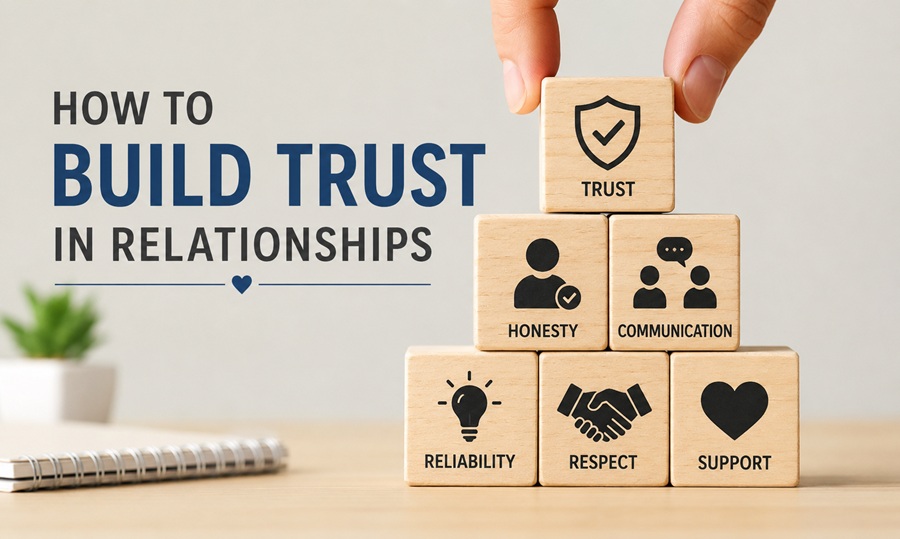
| Building trust in relationships requires consistent honesty, following through on commitments, and open communication about needs and concerns. Trust grows through small, repeated actions over time rather than grand gestures, and rebuilding it after a breach requires patience, accountability, and often professional support. |
Learning how to build trust in relationships is one of the most searched relationship topics because trust issues affect nearly every type of connection, romantic partnerships, friendships, and even family relationships. Whether trust was damaged by a specific event or has always felt fragile, rebuilding it is possible with the right approach.
This guide breaks down the most common trust problems couples face and offers practical, specific solutions for each, so you’re not left with vague advice like “just communicate more.”
Problem: Trust Was Broken by Dishonesty or Infidelity
When trust is broken by lying or infidelity, the hurt partner often experiences hypervigilance, checking phones, questioning whereabouts, or struggling to believe reassurances. This reaction is a normal trauma response, not an overreaction.
Solution: The partner who broke trust needs to offer consistent transparency without being asked, answering questions honestly rather than defensively, and accepting that rebuilding trust takes months, not days. Couples counseling significantly improves outcomes here because it provides structure for these difficult conversations.
Problem: One Partner Struggles With Trust Due to Past Relationships
Sometimes trust issues in a current relationship stem from wounds in a previous one. This can look like assuming the worst, testing a partner’s loyalty, or struggling to fully relax even when the current relationship has given no reason for concern.
Solution: The partner carrying past hurt benefits from naming it directly: “I’m working through trust issues from my last relationship, and it’s not about you.” This distinction helps the current partner avoid feeling unfairly blamed while still offering the reassurance and patience needed to rebuild security.
Problem: Inconsistent Communication Creates Doubt
Trust often erodes slowly through small inconsistencies, canceled plans without explanation, vague answers, or a pattern of saying one thing and doing another. These moments individually seem minor but accumulate into genuine doubt over time.
Solution: Practice follow-through on small commitments consistently. If you say you’ll call at a certain time, call. If plans change, explain why rather than leaving your partner to guess. Reliability in small things builds the foundation for trust in bigger ones.
Problem: Fear of Vulnerability Blocks Deeper Trust
Some relationships struggle with trust not because of any specific betrayal, but because one or both partners find it hard to be emotionally open. Without vulnerability, trust stays surface-level no matter how long the relationship lasts.
Solution: Start small. Share a minor worry or insecurity and notice how your partner responds. Positive, supportive responses to small vulnerabilities build the safety needed to share bigger ones over time, gradually deepening trust.
Problem: External Stress Is Straining Trust
Financial pressure, family conflict, or major life transitions can strain even solid relationships, sometimes surfacing as trust issues even when neither partner has done anything wrong. Stress can make people more guarded, defensive, or quick to assume the worst.
Solution: Name the external stress explicitly rather than letting it silently affect how you treat each other: “I know we’ve both been on edge because of work, and I don’t want that to make us doubt each other.” This keeps stress from being misattributed as a relationship problem.
Frequently Asked Questions
How long does it take to rebuild trust after infidelity?
There’s no fixed timeline, but most relationship experts suggest it typically takes many months to a couple of years, depending on consistency, transparency, and whether both partners are actively working on repair, often with professional support.
Can a relationship survive without trust?
It’s extremely difficult. Trust is foundational to emotional safety, and relationships without it tend to experience chronic anxiety, resentment, and eventual breakdown unless actively addressed.
What are small daily actions that build trust?
Following through on commitments, being transparent about your whereabouts and feelings, listening without becoming defensive, and offering reassurance during your partner’s moments of doubt all build trust incrementally.
How do you rebuild trust in yourself after being betrayed?
Rebuilding self-trust involves acknowledging what happened, avoiding self-blame, and gradually testing your judgment in low-stakes situations to rebuild confidence in your own instincts and decision-making.
Is couples therapy necessary to rebuild trust?
It’s not always required, but it significantly improves outcomes by providing a structured, neutral space to process hurt and rebuild communication patterns that support long-term trust.