
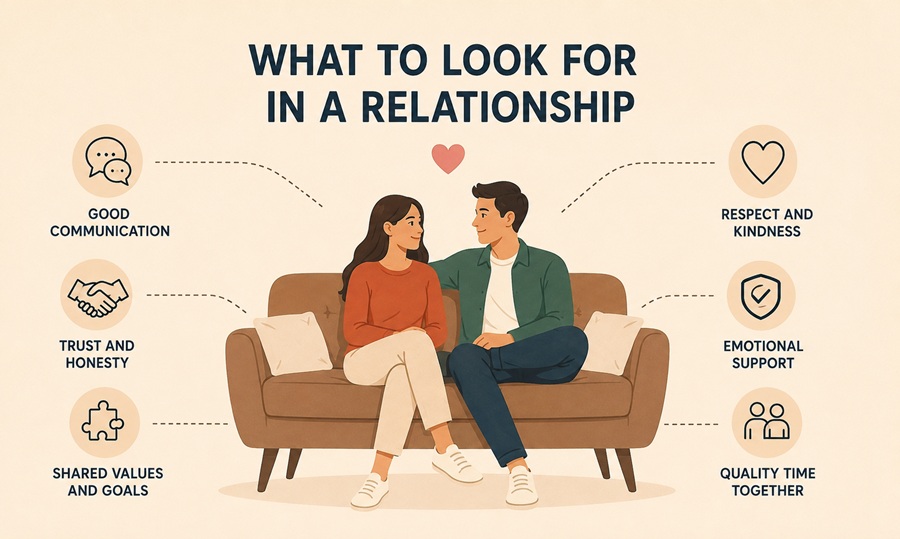
Many people focus on chemistry when evaluating a relationship, then wonder later why things fell apart despite feeling right at the start. Chemistry fades in and out; what sustains a relationship long-term is a smaller set of qualities: consistency, respect, emotional availability, and shared core values. Here’s what actually matters, and why it gets overlooked so often.
The Problem: Chemistry Is a Poor Predictor of Long-Term Success
Strong initial attraction feels like evidence of compatibility, but it mostly reflects novelty and excitement, not whether two people are actually well-suited for a life together. Many relationships that start with intense chemistry burn out quickly once daily routines, stress, and real disagreements enter the picture. That’s not a flaw in the relationship itself, it’s a flaw in using chemistry as the primary filter.
The Solution: A Better Framework for Evaluating a Relationship
Instead of asking “does this feel exciting,” a more useful question is “does this person show up consistently, treat me with respect, and share my core priorities for life.” These qualities are less exciting to think about but far more predictive of whether a relationship will hold up over time.
What Are the Biggest Green Flags in a Relationship?
- Consistency between words and actions, they follow through on what they say
- Respect for your boundaries, even when it’s inconvenient for them
- Comfort with conflict, they can disagree without shutting down or attacking
- Genuine interest in your life outside the relationship
- Accountability, they can admit fault without excessive defensiveness
- Emotional availability, they can sit with hard feelings instead of avoiding them
- Shared core values around things like family, finances, and long-term goals
What Should You Watch Out For Early On?
Pay attention to how someone treats people who have no power over them, service staff, coworkers, strangers. Watch for inconsistency between what they say and what they do, especially around commitments. And notice how they respond to a small disagreement early on: defensiveness, stonewalling, or blame-shifting in a minor conflict tends to escalate, not improve, over time.
How Do Priorities Shift by Life Stage?
What matters most in a relationship often shifts with age and life stage. In your twenties, shared interests and excitement often carry more weight. By your thirties and beyond, priorities like financial compatibility, parenting philosophy, and long-term life goals tend to matter more, since the relationship is increasingly built around shared responsibilities, not just shared free time. Neither stage is wrong, it’s worth being honest with yourself about which priorities matter most to you right now.
How Do You Evaluate These Qualities Without Rushing Judgment?
You don’t need a checklist interrogation on the third date. Instead, pay attention over time: how someone handles a canceled plan, a disagreement about something small, or a moment when you needed support. Real character shows up in ordinary moments more reliably than in how someone presents themselves when they know they’re being evaluated. Give it enough time to see patterns, not just a single good or bad interaction.
What Role Does Attraction Still Play?
None of this means attraction doesn’t matter, it does. But attraction works best as one filter among several, not the only one. A relationship with strong compatibility on values and weak initial chemistry can sometimes grow into real attraction as trust builds. The reverse, strong chemistry with poor alignment on fundamentals, rarely resolves itself the same way.
Local Insights: How Dating Culture Shapes What to Look For
What people prioritize can shift depending on the dating environment they’re in. In fast-paced cities with large dating pools, people often report more “grass is greener” mentality, moving on quickly rather than working through early friction. In smaller communities with fewer options, people sometimes commit to relationships too quickly out of limited choice rather than genuine alignment. Being aware of how your environment might be nudging your decisions, toward either restlessness or premature commitment, helps you evaluate a relationship on its own merits rather than on outside pressure.
Questions Worth Asking Yourself About a Relationship
- Do I feel like myself around this person, or do I feel like I’m performing?
- Does this person follow through on what they say, consistently, not just occasionally?
- Can we disagree without it turning into contempt or silence?
- Do our long-term goals, family, location, career, actually point in the same direction?
- Do I feel supported during hard moments, not just celebrated during good ones?
These questions won’t give you a definitive yes or no on their own, but consistent honest answers over time tend to reveal far more than any single conversation or grand gesture ever could.
Frequently Asked Questions
What are the most important qualities in a long-term partner?
Consistency, respect, emotional availability, and alignment on core life priorities tend to matter more for long-term success than chemistry or shared hobbies alone.
Is it a red flag if we disagree on some values?
Not necessarily. Disagreeing on smaller preferences is normal. It becomes concerning when the disagreement touches core priorities like having children, finances, or fundamental life direction.
How do you know if a relationship is healthy?
A healthy relationship generally involves mutual respect, the ability to disagree without contempt, consistent effort from both people, and a sense of safety being honest with each other.
Does chemistry matter at all in choosing a partner?
Yes, but it works best alongside other qualities like consistency and shared values rather than as the primary factor, since chemistry alone doesn’t reliably predict long-term compatibility.